The short version.
- No platform observes every AI answer a real buyer could receive; each measures a defined prompt sample.
- The right tool depends on prompt methodology, platform and market coverage, source detail, workflow needs and budget—not one headline score.
- Profound, Scrunch and Goodie emphasize enterprise operating depth; Peec and Otterly make monitoring approachable; established SEO suites connect AI visibility with existing search workflows.
- Pilot two or three tools with the same prompts and score the usefulness of the raw evidence before committing to a dashboard.
Filter the field by how your team works.
These filters describe likely operating fit, not a universal winner. Open any vendor’s official page to verify current coverage and plans.

Profound
- Best fit
- Enterprise programs that need prompt intelligence, answer monitoring, crawler analytics and execution workflows in one system.
- What it measures
- Visibility, share of voice, sentiment, citations, prompt demand, AI crawler activity and attributed AI traffic.
- Watch-out
- Its breadth is most useful when a team has owners and budget to act on several data streams; scope a pilot before buying the whole operating model.

Scrunch
- Best fit
- Enterprise teams connecting answer share and citation intelligence with how AI agents experience the website.
- What it measures
- Brand presence, answer share, sentiment, cited domains and URLs, citation ownership, trends and prompt-level answer snapshots.
- Watch-out
- Decide which modules and integrations will be used operationally; a sophisticated source view still needs an outreach and content process behind it.
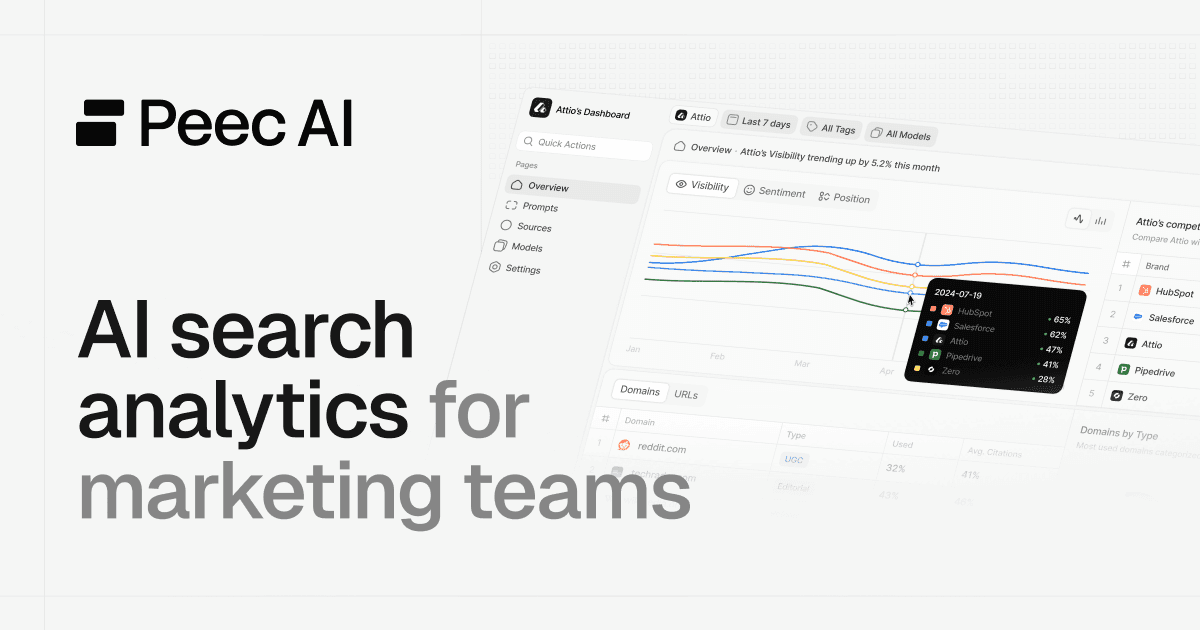
Peec AI
- Best fit
- Marketing teams and agencies that want a focused view of prompt performance, position, sentiment and competitors.
- What it measures
- Visibility, position, sentiment, cited sources, prompt results and competitive performance across major AI surfaces.
- Watch-out
- Confirm the engines, regions and refresh cadence included in the plan you test; coverage changes quickly across this category.

Otterly.AI
- Best fit
- Smaller teams and agencies that want direct prompt monitoring, brand reports and citation-gap analysis without an enterprise rollout.
- What it measures
- Brand coverage, mentions, domain citations, link positions, sentiment, prompt responses and visibility trends.
- Watch-out
- A simple setup does not solve sampling quality. Build buyer prompts deliberately and preserve a stable baseline alongside exploratory prompts.
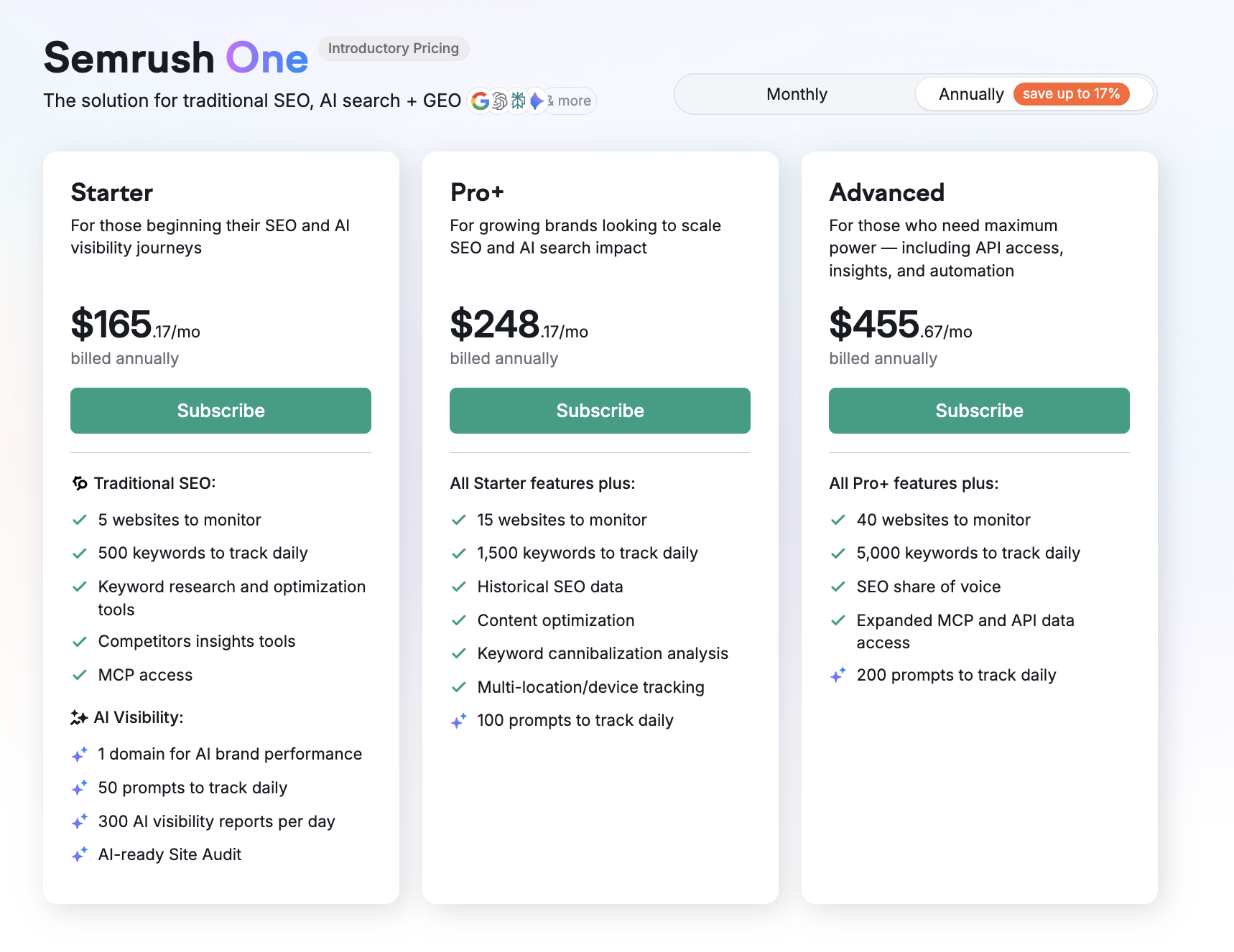
Semrush AI Visibility Toolkit
- Best fit
- SEO and marketing teams that want AI visibility, competitor research and technical site checks near existing Semrush workflows.
- What it measures
- Visibility score, mentions, cited pages, citations, sentiment, share of voice, prompt gaps and AI-readiness audit issues.
- Watch-out
- Some reports use generated prompt sets while custom prompt tracking is a separate workflow. Understand which dataset powers each chart.

Ahrefs Brand Radar
- Best fit
- Research-led SEO teams comparing AI answers with the web, YouTube, Reddit and TikTok signals surrounding a brand.
- What it measures
- AI mentions, share of voice, cited pages and domains, competitors and visibility across search-backed prompt datasets and adjacent channels.
- Watch-out
- Its large modeled prompt index serves discovery differently from a small custom buyer-prompt panel. Use each for the question it can answer.
Similarweb AI Brand Visibility
- Best fit
- Market-intelligence teams that want AI brand visibility beside competitive web and generative-AI traffic analysis.
- What it measures
- Topic visibility, prompts, brand mentions, competitor benchmarks, trends and the sources shaping AI answers.
- Watch-out
- Evaluate platform coverage and reporting granularity against specialist trackers if prompt-level daily monitoring is the primary job.

SE Ranking AI Search Toolkit
- Best fit
- Agencies and SEO teams combining tracked prompts, AI competitors, source coverage, API access and client reporting.
- What it measures
- Mentions, linked mentions, positions, source URLs, competitor visibility, historical trends and AI traffic estimates.
- Watch-out
- Separate project-level tracked prompts from broader research datasets and document refresh cadence when combining them in one report.
Goodie
- Best fit
- Enterprise brand, commerce and agency teams seeking monitoring, prioritized actions, content workflows and attribution.
- What it measures
- Mentions, citations, rankings, sentiment, share of voice, competitive position, geography, persona and topic performance.
- Watch-out
- Ask for a clear data-methodology walkthrough and map recommended actions to accountable owners before treating them as a roadmap.
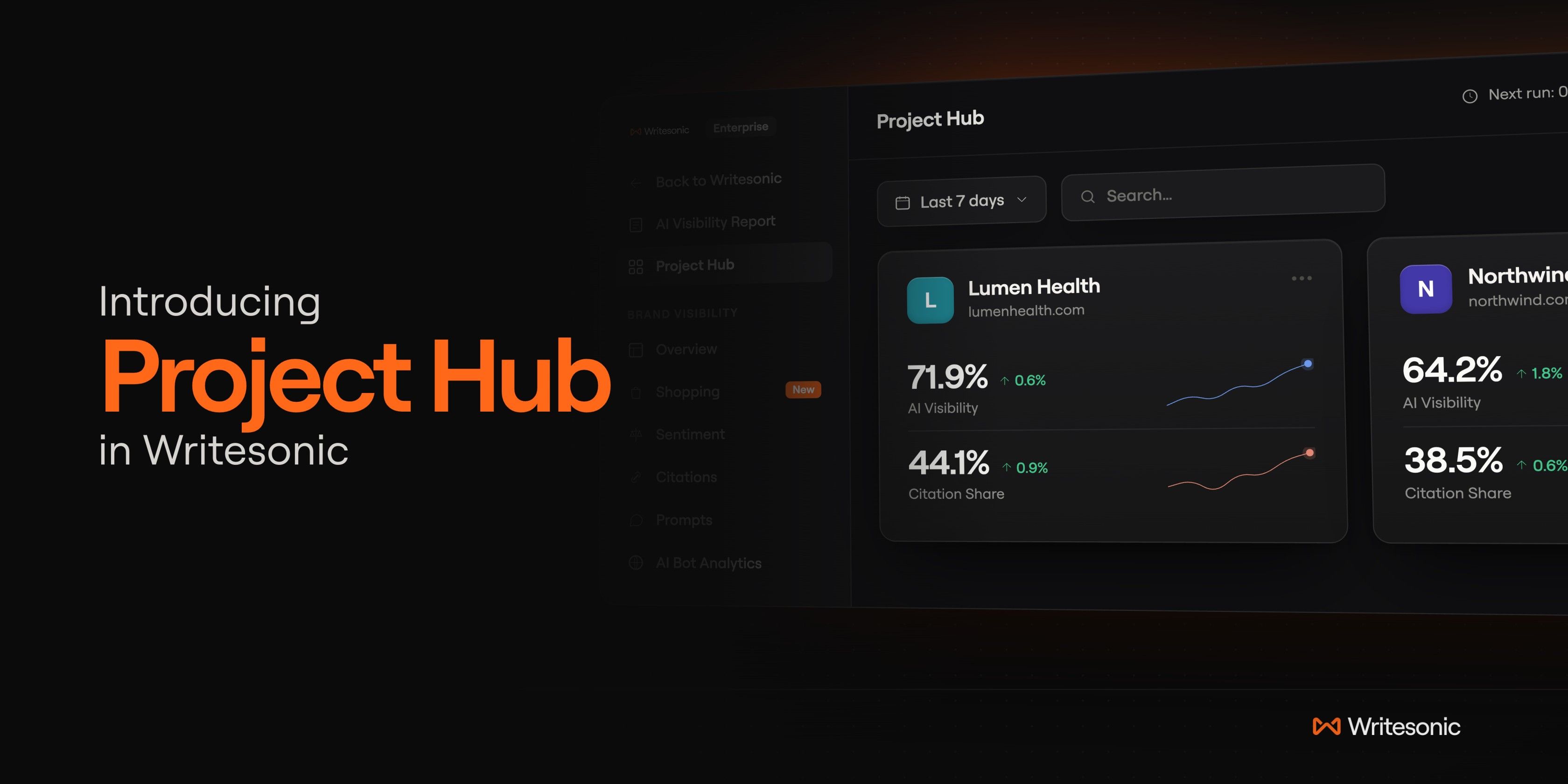
Writesonic GEO
- Best fit
- Content teams that want visibility monitoring, citation analysis and content action inside a broader creation platform.
- What it measures
- Visibility, citation share, sentiment, prompt-level answers, competitors and content opportunities across AI platforms.
- Watch-out
- Keep human editorial review and evidence standards in the workflow; fast content production is not proof that a page deserves retrieval or citation.
Start with the measurement model, not the leaderboard
An AI visibility platform does not watch every conversation happening inside every model. It runs or analyzes a defined set of prompts, records the returned answers and turns those observations into metrics. The dashboard is a sample of a changing system, not a census of buyer behavior.
That distinction should shape the purchase. Ask where prompts come from, whether results are captured from consumer interfaces or APIs, how often prompts run, which locations and languages are supported and whether repeated runs are preserved. A score without those answers is difficult to interpret.
This list is an editorial evaluation of documented capabilities as of July 27, 2026—not a paid placement or a controlled accuracy benchmark. We weighted measurement transparency, source detail, competitive context, actionability, workflow fit and accessibility. Product coverage changes, so verify the current plan directly with each vendor.
The ten tools, filtered by the job you need done
Use the interactive directory above to narrow the list by operating context. Enterprise platforms usually add governance, integrations, traffic attribution or crawler intelligence. Accessible tools can make a first monitoring program easier to launch. SEO suites are useful when AI visibility needs to sit beside an established organic-search workflow.
These are not permanent categories and they are not declarations of product quality. They describe the clearest documented fit. A focused tool can outperform a larger suite when its prompt view, citation evidence and exports match the way your team makes decisions.
Images are sourced from each vendor’s public website and are shown for identification. THIRD P_RTY is not affiliated with, sponsored by or endorsed by the listed vendors.
Compare evidence before you compare scores
Run the same 25 to 40 buyer prompts through two or three finalists. Include discovery questions, comparisons, trust checks, use-case questions and objections. Keep wording, geography and timing as consistent as the tools allow, then export the underlying answers and citations.
Score the evidence rather than asking which platform produces the most flattering number. Can you open the answer snapshot? Can you distinguish an unlinked brand mention from a cited URL? Can you see which outside page shaped the answer? Can you reproduce the finding after a stakeholder challenges it?
Because generated answers vary, trend direction across repeated runs is usually more useful than one precise share-of-voice number. Record the prompt count, engine, location, date range and denominator beside every executive chart.
- Prompt provenance and the ability to edit the monitored set
- Consumer-interface versus API collection methodology
- Brand mentions, citations and recommendation position as separate fields
- Full cited URLs, answer snapshots and export access
- Competitor, geography, language and persona controls
- Refresh cadence, repeated samples and historical retention
Choose the operating workflow, not the longest feature list
A monitoring product creates value only when a team can turn observations into work. Technical owners need access and crawler evidence. Content owners need prompt and page gaps. Brand and earned-media teams need the third-party pages repeatedly shaping comparisons. Executives need an auditable summary that does not collapse every outcome into one score.
Map each recurring report to an owner, decision and cadence before procurement. If nobody will review sentiment, do not pay for sentiment because it looks impressive in a demo. If source outreach is central, prioritize URL-level citations, ownership classification and clean exports over a generic optimization grade.
Existing analytics still matter. Referral sessions, conversions and server logs answer different questions from simulated prompt monitoring. The strongest stack connects those sources without pretending they measure the same behavior.
Run a 30-day pilot with an exit test
Week one should define the buyer prompt panel, competitors, locations, priority pages and measurement rules. In week two, compare setup time, raw answer access and source coverage. In week three, assign three real actions from each platform. In week four, review whether the resulting evidence changed a content, technical or placement decision.
Set the exit test before the demo excitement starts. A tool should save manual work, surface evidence the team can verify and support decisions worth making. If two platforms disagree, the winner is not automatically the one with the higher score; investigate prompt composition, collection method and matching rules.
Use the downloadable audit workbook to define the baseline and record the pilot. Keep a manual control sample so the team understands what the software is abstracting away.